

Hey, fellow Leader 🚀,
I am Artur, and welcome to my weekly newsletter. I am focusing on topics like IT Management, Innovation, and Leadership, with an Entrepreneurial mindset. My goal is to help you navigate the IT corporate landscape. Make better decisions, create awareness, and share real-world stories.
It has been a wild ride since I published the first article on the SoW. Exchanging views with you and hearing feedback on how these articles have been useful is what drives my motivation to write. Leave a comment, subscribe to the SoW, and be part of the community.
If this article resonates with you, or you know someone who might find it useful, just share the link!
One day, I arrived at my local CrossFit class to find a new coach being introduced. I’m a bit picky when it comes to coaches, but OK, I guess people need to adapt to unannounced changes.
The new coach was a middle-aged man who looked like the last time he did a push-up was before his sons (now in university) were born. Based on first impressions, my hopes weren’t high. His first introduction to his stakeholders wasn’t great. No preparation.
To make matters worse, before the workout started, he struggled setting up the timer, leaving me to guess the rest periods or wait for his instructions.
Why this new coach? I screamed internally as he fumbled with the technology, which is far from rocket science. Clearly, his “Day Zero Readiness” was null.
In an attempt to establish his expertise, he began correcting everyone. When it was my turn to receive feedback, I nodded politely while thinking, “Yeah, whatever”. My trust in him was completely shattered.
The thing about weightlifting folk is that looks can be misleading. Some might not look “in shape”, yet they can lift your body weight and barely call it a warm-up. As it turned out, this coach was a former national record holder in weightlifting.
Experience Does Not Always Translate to Credibility
Despite our achievements and credentials, when we enter a new context (let’s say a new company, a new organization, etc.), we all have one thing in common: we have to prove we know our game. It doesn’t matter if you hold a national record. You need to be prepared to be challenged and questioned.
In the age of AI, regardless of your track record, you cannot afford to be seen struggling with the routine technology of a new job. If you do, your peers’ confidence will be plundered before you even have the chance to show your true worth.
Imagine seeing someone take on a new project, and that colleague is visibly struggling to work with ChatGPT. Or worse, generating a new presentation on AI and sending it to key stakeholders without proper review.
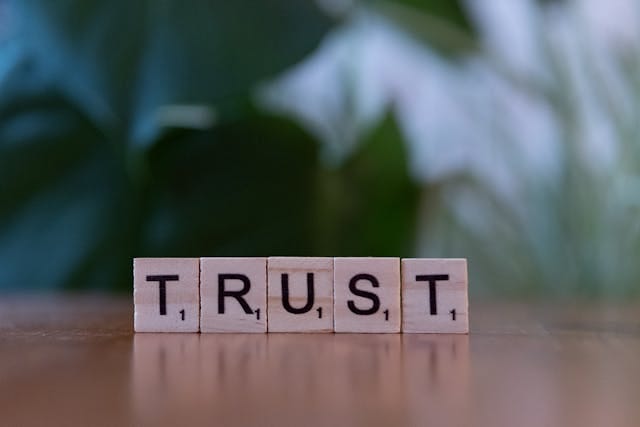
Trust is a big currency in Management. Eroding trust is a cost or tax that you can’t afford to pay. It only takes a few mishaps, especially in a situation where we are new to the context.
We should avoid being the coach who doesn’t know how to operate a timer. If an IT Leader is not following the conversation about the impacts Claude Code is provoking on the Development cycles, how is that Leader supposed to lead an AI transformation? The transformation is happening everywhere.
How to Build Trust
In my experience, trust is highly environment-dependent. I’ve worked in places where newcomers are given an excessively long adaptation period. In others, newcomers are treated as outsiders, met with caution, and gatekept information. I’ve even seen people retreat into silos to prevent anyone from giving their expertise or asking too many questions.
Ultimately, I believe that consistent, high-quality work is what builds trust. While people need time to demonstrate their capabilities, once good work is delivered, trust begins to compound.
This “results-first” approach is more effective than communication strategies alone. Communication can only take you so far if there are no results to sustain the momentum.
A good trust foundation is the base of every IT solution: the engineers. A Manager who doesn't have the team 100% on their side will have a limited range and impact.
A great way for a Manager to build trust and respect with their engineers is to take into account the team's technical improvements on the product roadmap. Technical Debt is the unseen erosion of a team, and a Manager who handles it poorly will have a bad time having the engineers engaged.
The team is the Manager’s strength and tactical reach. A team that is able to handle tough situations can elevate the political reach of its Manager.
Practical Ideas You Can Use Today
The easiest way to cultivate trust is to show confident leadership and results. This can take many forms:
Facilitating cross-departmental workshops to break down the silos that gatekeep information.
Gather technical architects and business stakeholders to find solutions to pressing problems.
Offer action-plans to complex problems with insight from multiple experts and a timeline for execution.
Facilitate innovative solutions that can achieve agreement from multiple parties and are grounded in the company’s specific market context and constraints.
Demonstrate how the Engineer’s suggestions impacted the project/product/company. Demonstrate what is next on the technical pipeline and expected results.
Being the Leader who simply “handles stuff” is a currency that compounds trust over time. Especially when challenging issues get solved, with visible results and good feedback from key stakeholders like clients, product teams, etc.
Unfortunately, I met too many managers who hide themselves in the political curtain of vague actions and pretty presentations. Pragmatism and an action-driven mentality are a good strategy to deliver results.
What If Mistakes Eroded Trust?
Mistakes are a risk that needs to be managed. Innovation doesn’t happen in a risk-free environment. The trick is not to bite off more than you can chew, which is why collaboration is vital.
Complex challenges often require the input of different teams or stakeholders, and some of them would need to show ownership.
These events could provide the possibility of shared risk ownership and have multiple parties accountable for the success of a given initiative.
If unfortunate events happen, it is important to maintain a stoic mindset and analyse what happened, what we could have done differently, and how to access the required resources. Then, just move on.
Eventually, with results, trust buys enough goodwill to overcome inevitable setbacks. It compounds over time and is directly linked to the value you bring to the company.
Success is by far the biggest magnet for trust. A proven track record makes it easier to get a green light from a senior manager or influence the outcome of a major decision in a direction you think is best.
That’s it. If you find this post useful, please share it with your friends or colleagues who might be interested in this topic. If you would like to see a different angle, suggest it in the comments or send me a message.
Cheers,
Artur